
Most Victorian homes built before the 1970s sit on timber stumps driven straight into the soil. Timber in permanent contact with ground moisture does not last indefinitely. It rots from the outside in, loses the section that was carrying the load, and eventually crushes. The floor above it follows. None of that happens overnight, which is the useful part: by the time the symptoms below show up there is usually still a straightforward repair available.
Here is what each sign means, in the order homeowners usually notice them.
1. Floors that slope or dip
Put a marble on the floorboards and watch where it goes. A floor that runs away toward one wall, or dips through the middle of a room, is the clearest sign the support underneath has dropped. In an older Victorian home it is almost always failed timber stumps.
A slope that runs consistently in one direction usually means a row of stumps along one side of the house has dropped together, which is common on the wet side where the ground stays damp and rain runs off the roof. A dip through the middle of a room points more often at a single failed stump or a sagging bearer under that span.
2. Doors and windows that stick
If a door that used to close now catches at the top corner, or a window needs a shove, the frame is out of square. Frames do not warp on their own. They go out of square because the structure holding them has moved.
Worth checking against the season first. Timber doors swell a little in a wet winter and ease again in summer. Movement from the footings does not come back: a door that catches at the same top corner all year, or a window that has needed a shove for two summers running, is telling you about the structure rather than the weather.
3. Cracks in brickwork or plaster
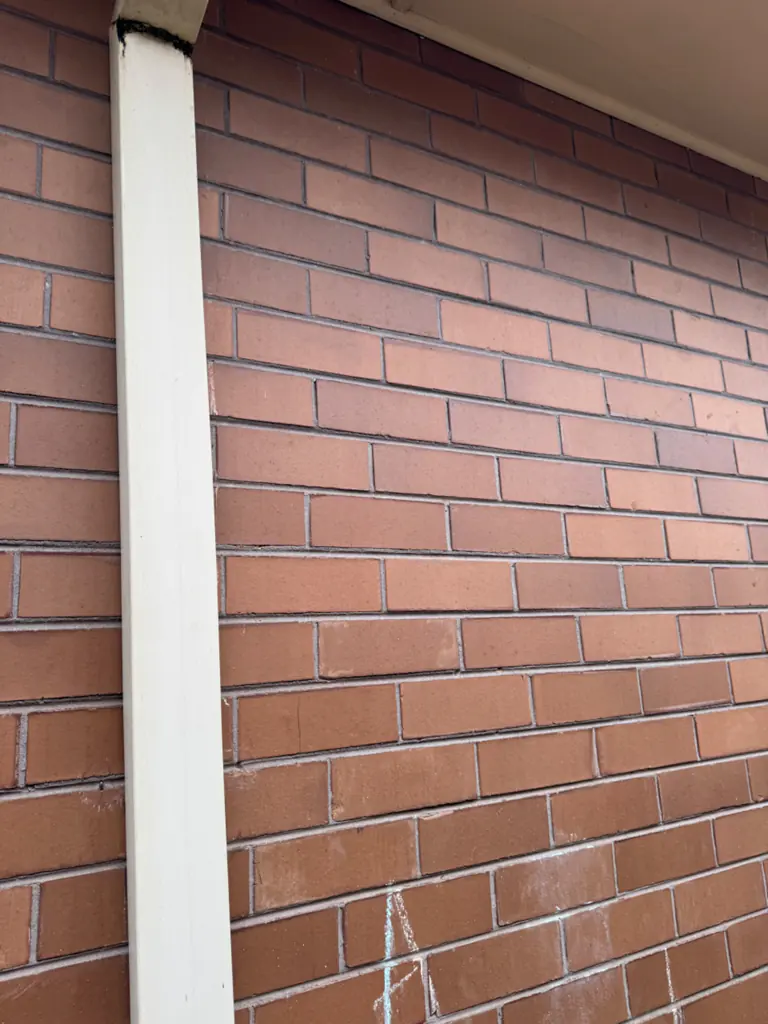
Stepped cracks that follow the mortar joints, cracks wider at the top than the bottom, and cracks above doorways all point to footing movement. Hairline crazing in plaster is usually cosmetic. A crack you can fit a coin into is not.
The direction matters. Stepped cracks that climb the mortar joints diagonally, cracks that are wider at the top than the bottom, and cracks running out of the corners of door and window openings are the classic footing-movement pattern. Fine crazing across a plaster wall, or a hairline crack following a sheet join, is usually cosmetic.
4. Floors that bounce or drum
A floor that flexes when you walk across it, or sounds hollow and drummy, usually means the bearers or joists have rotted rather than the stumps. It is a different repair, which is why it is worth having someone look before assuming.
This one is worth separating out, because it usually is not the stumps. Bearers and joists rot where moisture sits against them, typically near a bathroom, a laundry or a downpipe that has been discharging under the house for years. The fix is a subfloor rebuild rather than a restump, and the two get priced very differently.
5. Gaps at skirtings and cornices
A line of daylight under the skirting board, or a cornice pulling away from the ceiling, means the floor has dropped away from the wall or the wall has moved away from the roof. Either way something structural has shifted.
A gap opening under the skirting means the floor has dropped away from the wall. A cornice pulling away from the ceiling means the wall itself has moved. Both are second-order symptoms: something below has shifted enough that the finishes can no longer hide it.
6. Stumps you can push a screwdriver into
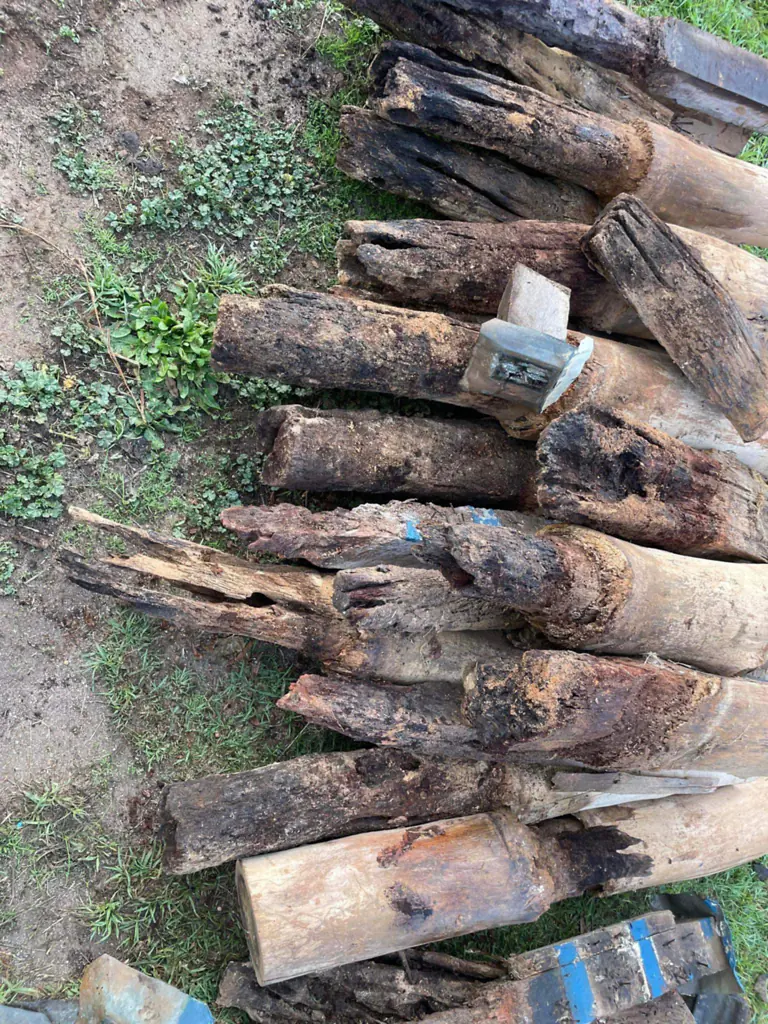
If you can get under the house, test a stump at ground level with a screwdriver. Sound timber resists. Rotted timber takes the blade with almost no pressure. Soft stumps at the wet side of the house are usually the first to go.
If you have crawl-space access and can get under there safely, this is the most direct test there is. Check at ground level, where rot starts, not halfway up the stump. Also look for stumps that are no longer plumb, packing timber jammed in at the top of a stump to take up a gap, and any stump that is not actually touching the bearer any more. A stump carrying nothing is a stump that has already failed.
What to do if you recognise two or more
One sign on its own can have an innocent explanation. Two or three together, in the same part of the house, usually do not. The useful next step is to have someone get under the floor and look, because the symptoms above cannot tell you whether you are dealing with failed stumps, rotted bearers, footings sitting on reactive clay, or a drainage problem that is causing all of it.
That distinction decides the repair. Replacing stumps when the real problem is ground movement means doing the job twice. It is also the reason we inspect before quoting rather than giving a figure over the phone.
What happens if it is left
Footing problems get more expensive rather than worse in a sudden way. A partial restump along one wall becomes a full restump as the remaining stumps reach the same age. Floors that keep dropping take the plaster, the cornices, the tiling and the joinery with them, so the cosmetic repair bill grows alongside the structural one. Where the cause is ground movement rather than rot, waiting can turn a restump into an underpinning job.
This page is general information, not a structural assessment of your home. What your house needs is decided by what is found under the floor.